
Dorito Garden
It’s such an absurd idea, and even more absurd to follow through on: What started as a joke about using our organic garden to grow our own doritos turned into a year-long exploration into sustainable agriculture, industrial food production, mixed with the science, history, and hands-on skills of traditional food preservation. Ultimately it was a lesson in listening, meeting kids where they’re at.
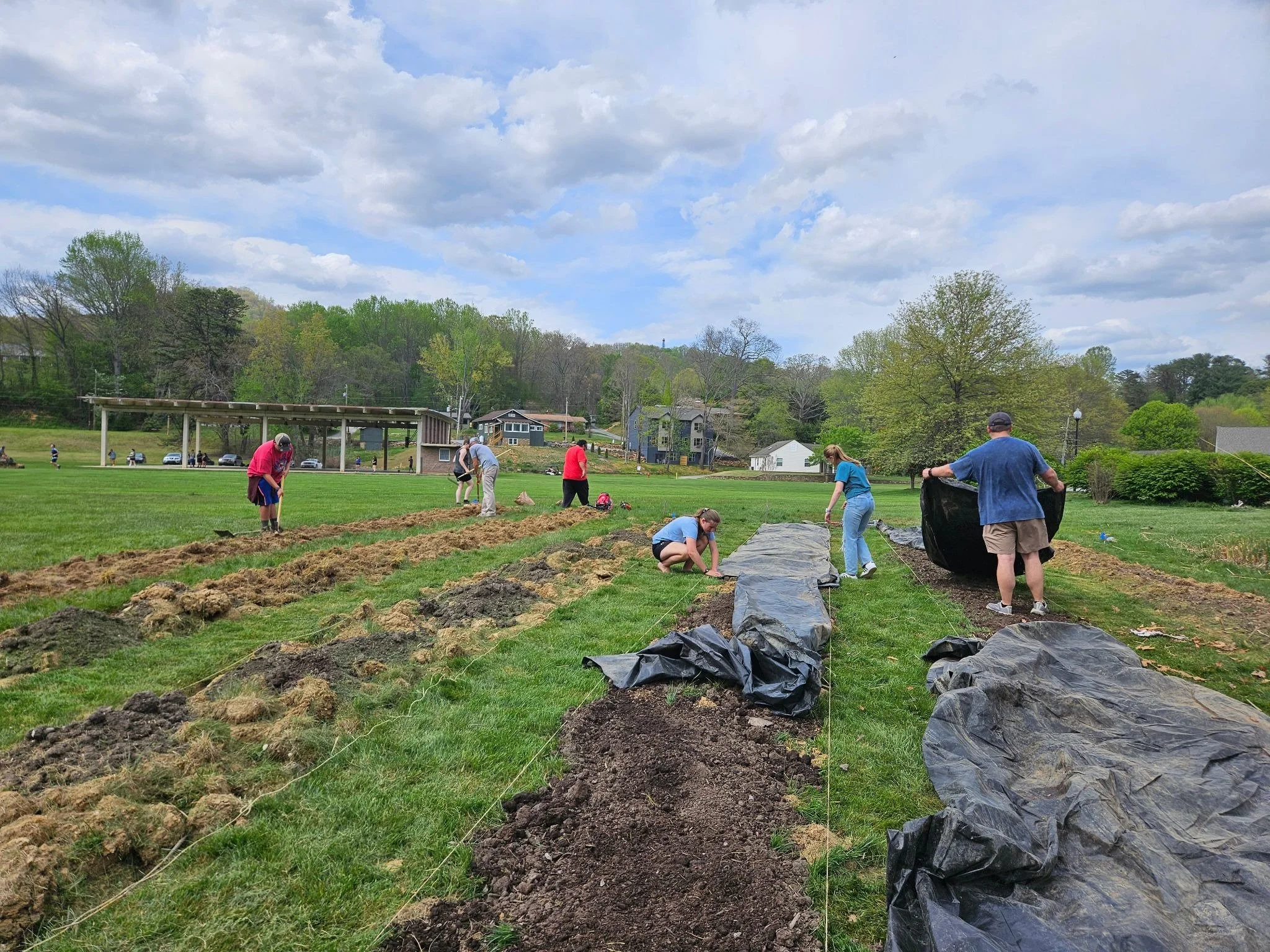
Digging new garden beds in spring
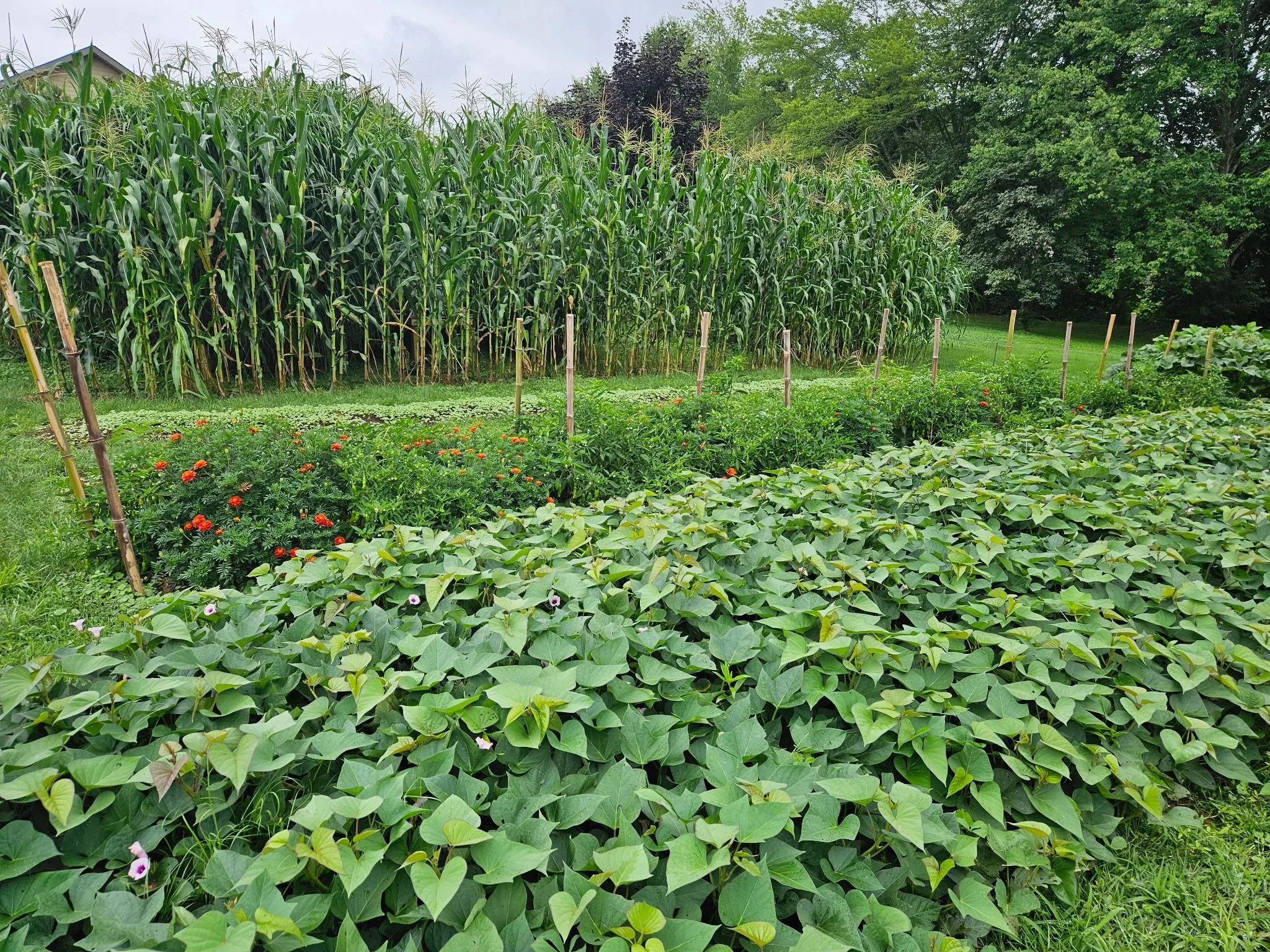
Thriving over the summer with very little maintenance
By the end of the fall 2025 growing season, Jounce high students had prepped a garden and grown heirloom dent corn, garlic, hot peppers, potatoes and shiitake mushrooms, from which they made nixtamal tortilla chips, potato starch maltodextrin, MSG and its analogues from lactofermented mushrooms, and suite of dried and powdered spices. In the classroom, they got weird with milk products too, starting with traditional cheddar cheese all the way concocting more industrial abominations like sodium caseinate. We even attempted our own potassium salt extraction from wood ashes.
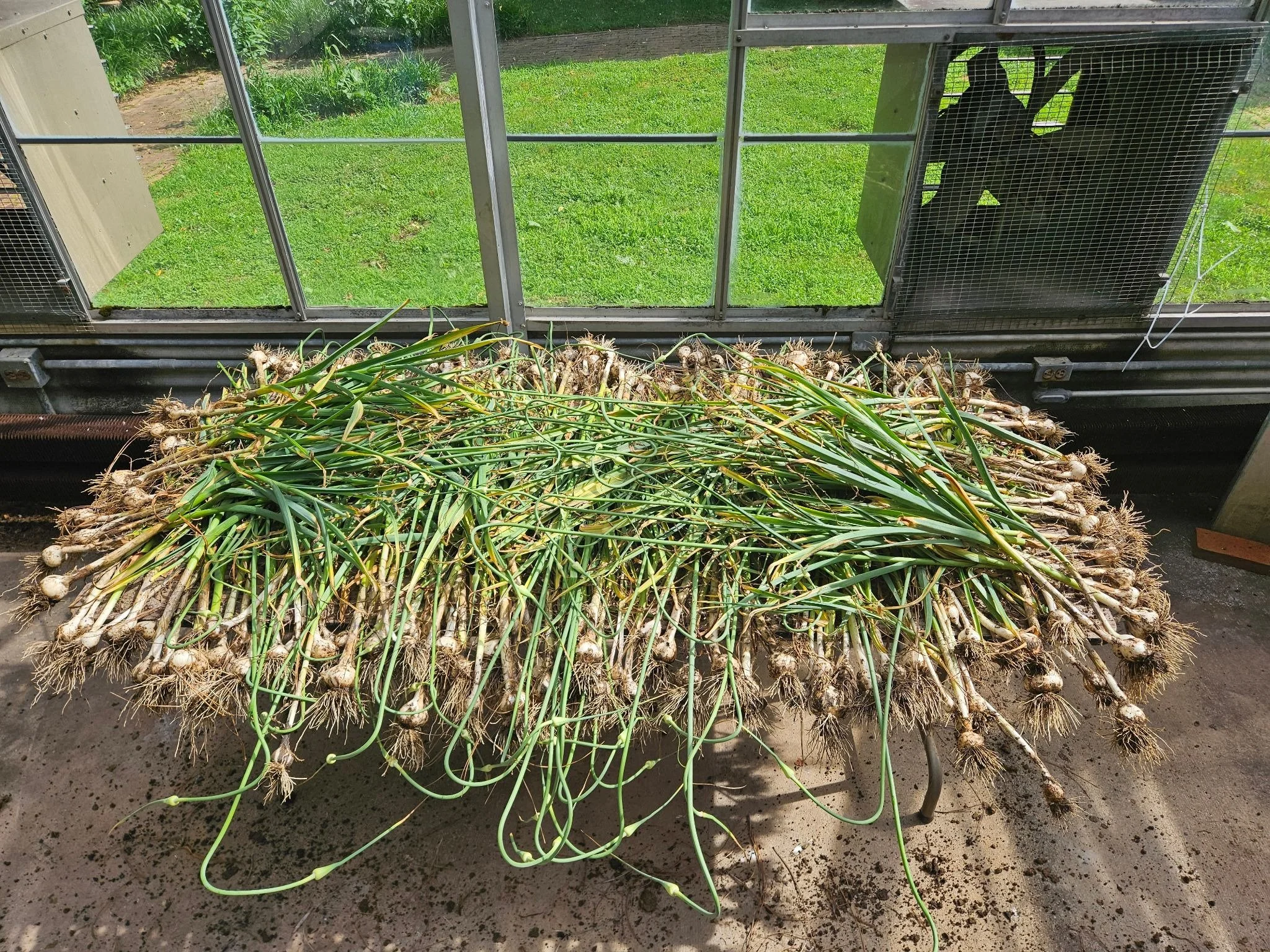
Drying Garlic for Garlic Powder
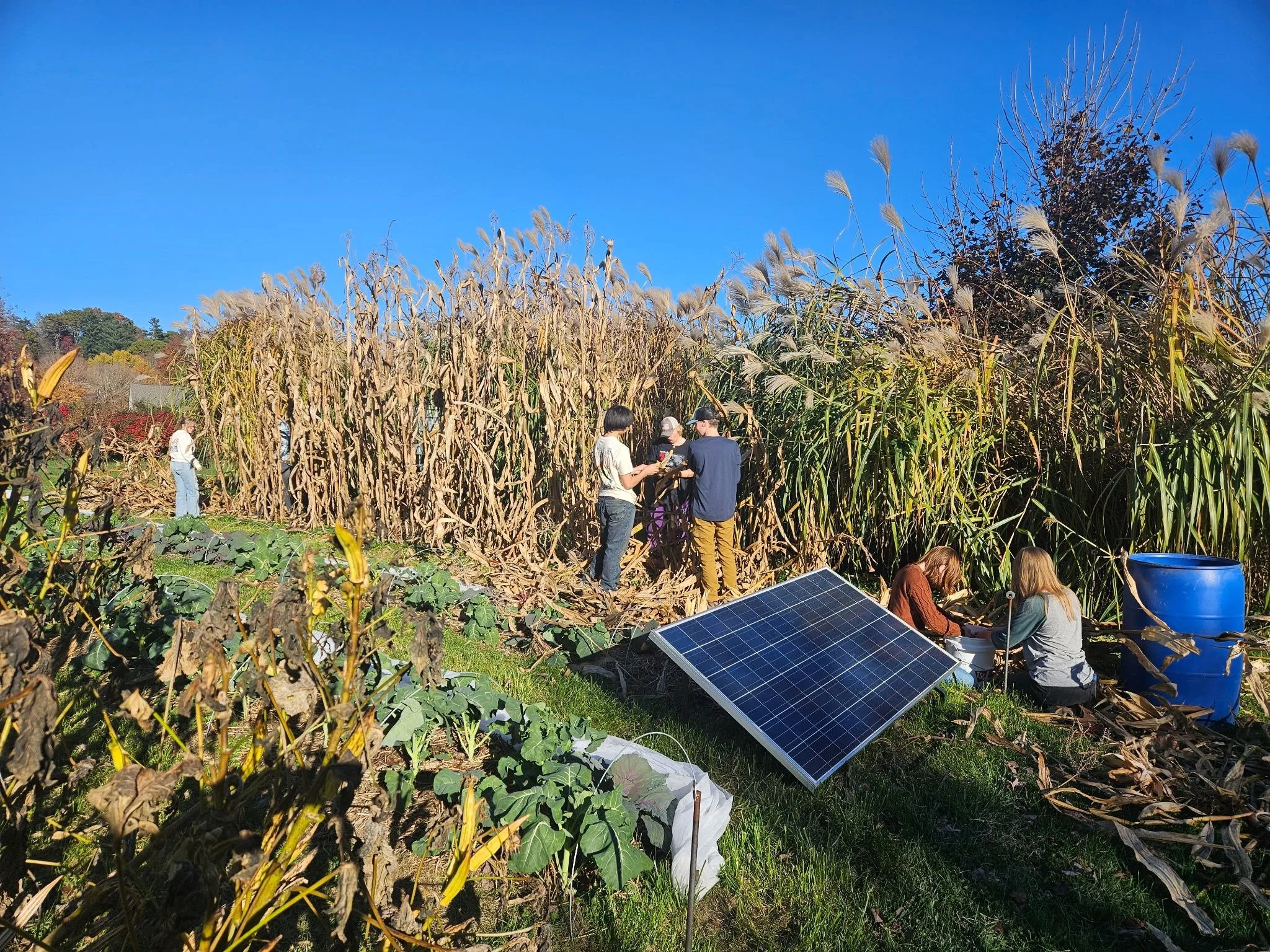
Harvesting Corn for Tortilla Chips
Putting it all together we explored AI to help generate a recipe that closely matched a store bought nacho cheese Dorito, exploring these new tools to help guide hands-on learning, while understanding the pitfalls of questionable results. It’s probably a good thing ChatGPT wouldn’t share directions on how to make Red 40 - we had good enough results with turmeric for coloring our finished chips.
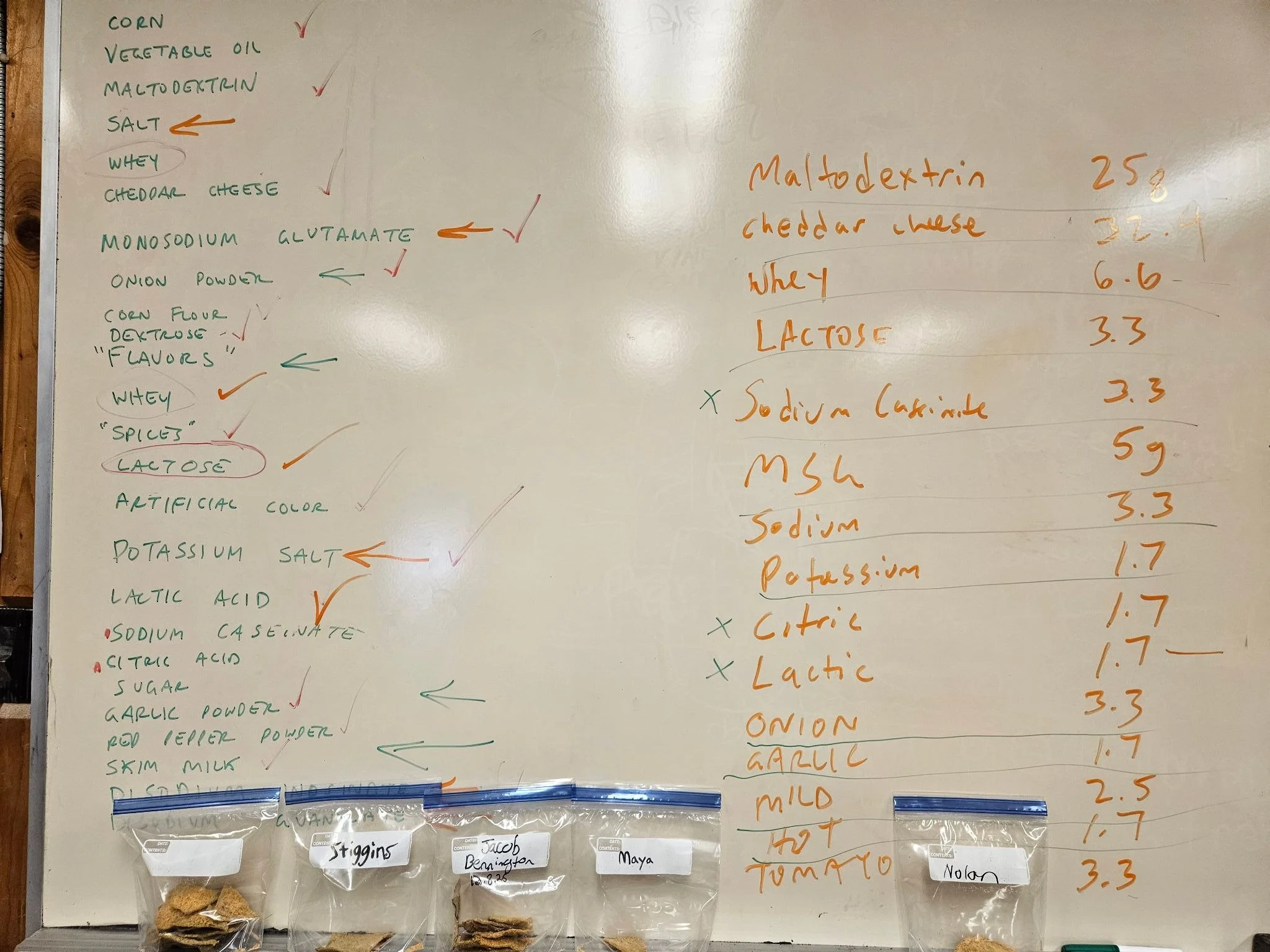
The list of ingredients
Every ingredient we made became an opportunity to smell and taste how processing affects flavor. We made batches of sauerkraut, waited until it was just right, and then used the leftover lactic acid as a vehicle to process MSG from a handful of sources of natural glutamic acid. The cheese we made was outstanding. Processed ingredients like potato starch maltodextrin were weird and off-putting. Throughout the entire project, kids experienced in a tactile way how traditional fermentation techniques create new, exciting flavors, while industrial processes strip away flavor to form tasteless, bland compounds that no longer resemble food.
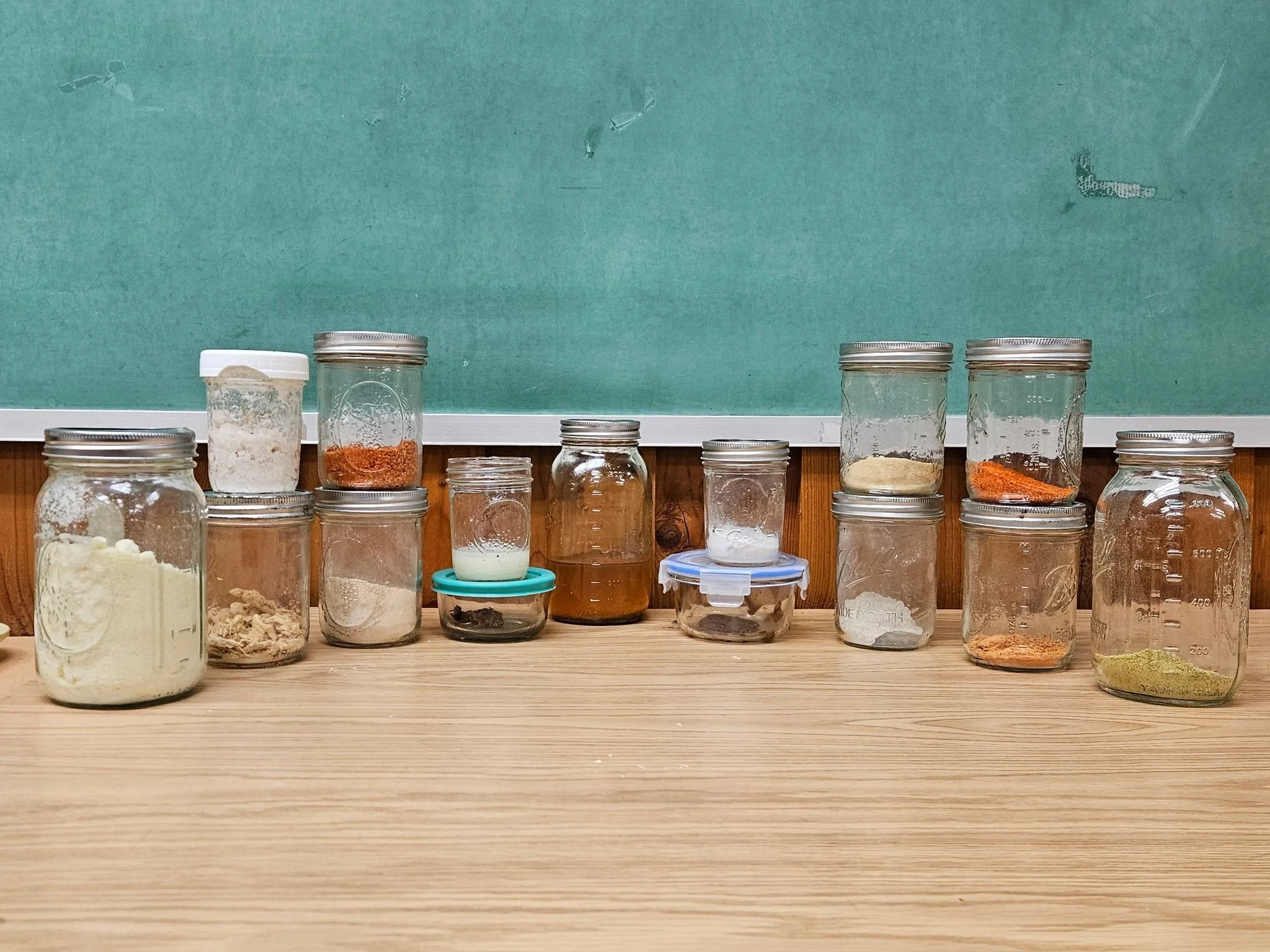
A strange collection of ingredients
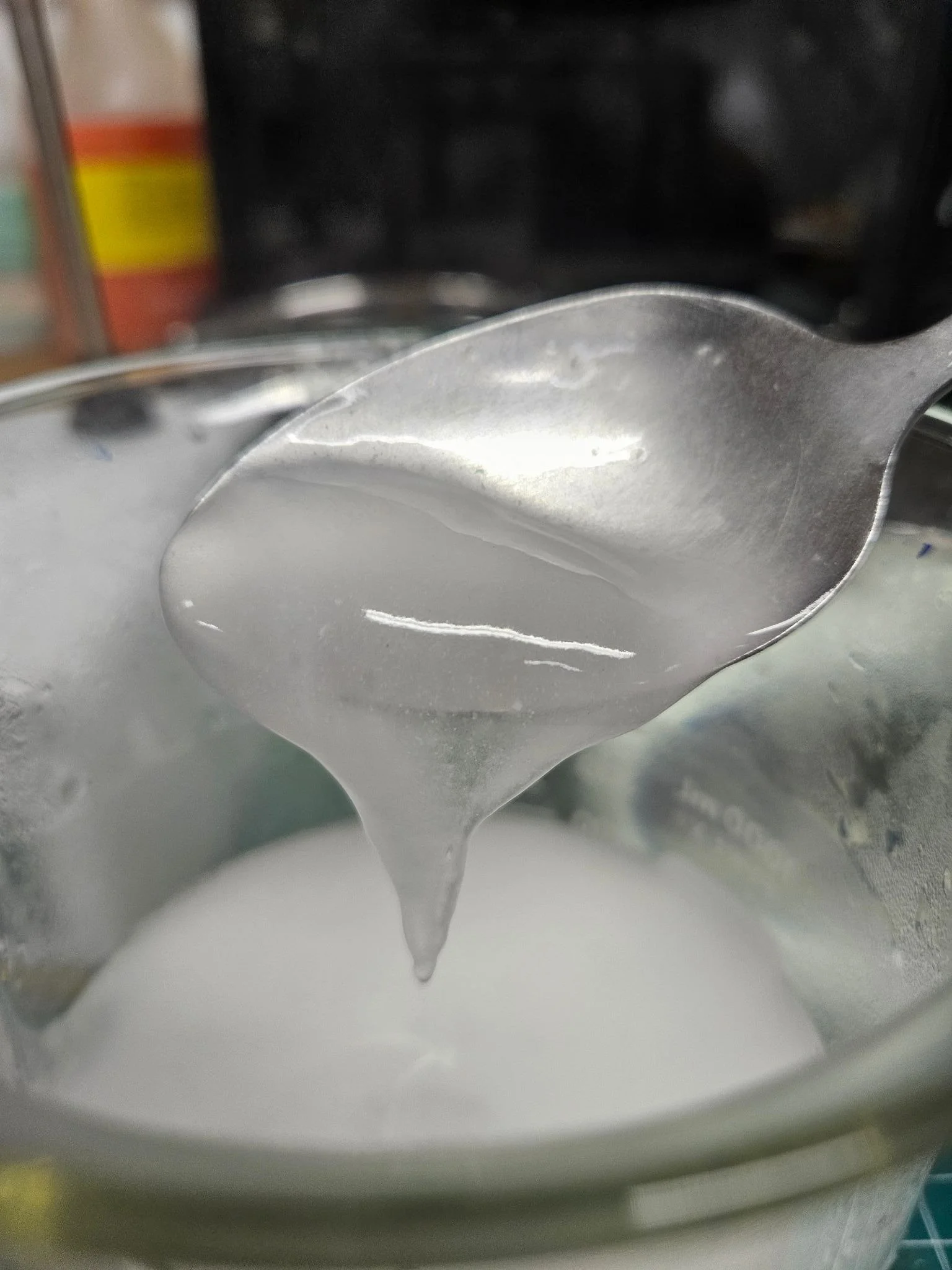
Maltodextrin from potatoes: no longer resembles food
Putting it all together, on our last day of class, students dusted the chips with their custom blend of homegrown spices and chemistry projects. Ultimately we tweaked the recipe as we saw fit - a little more cheese dust, a little more tomato powder felt right. At the end of the semester each student went home with a trophy: a single DIY Dorito in a plastic display case.
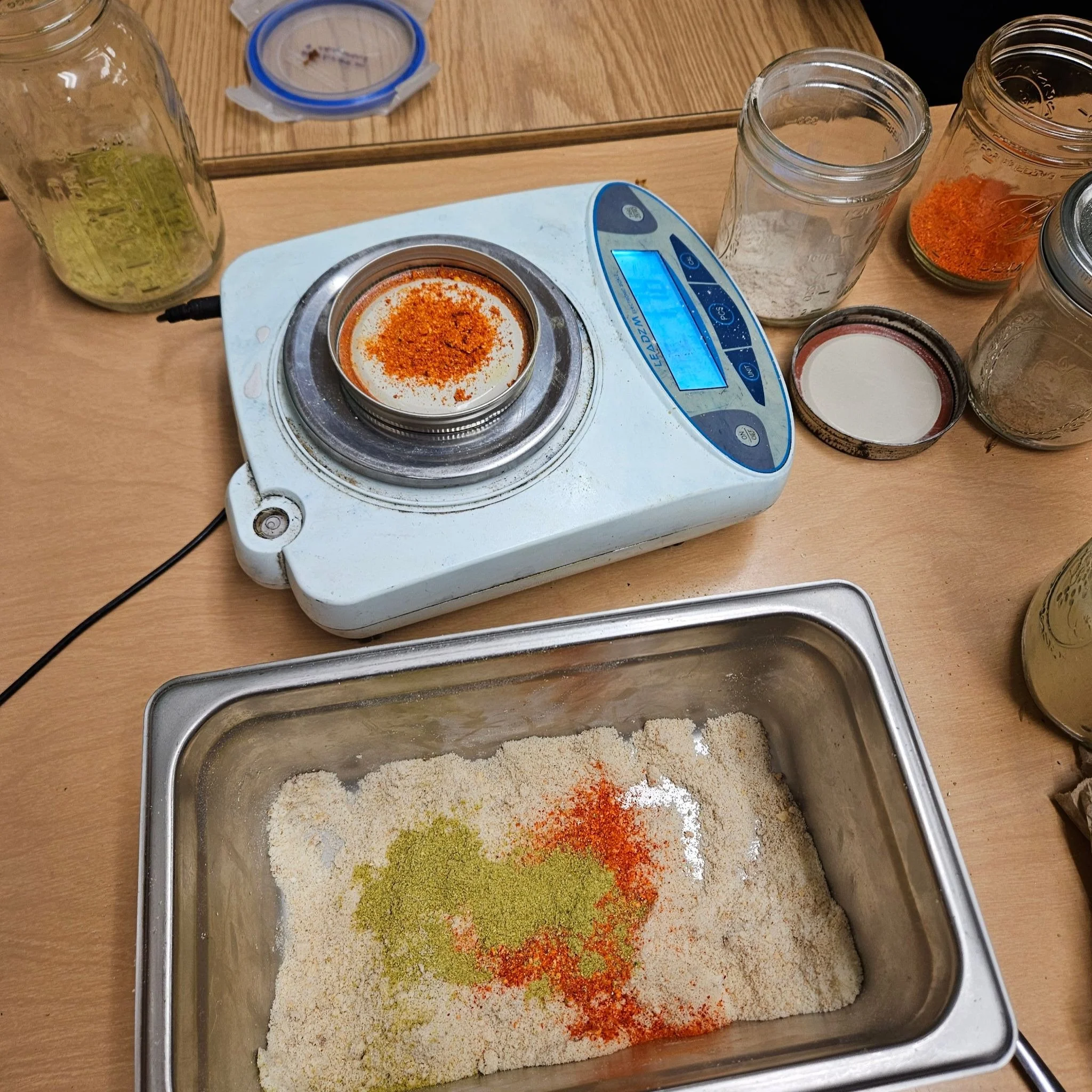
Putting it all together
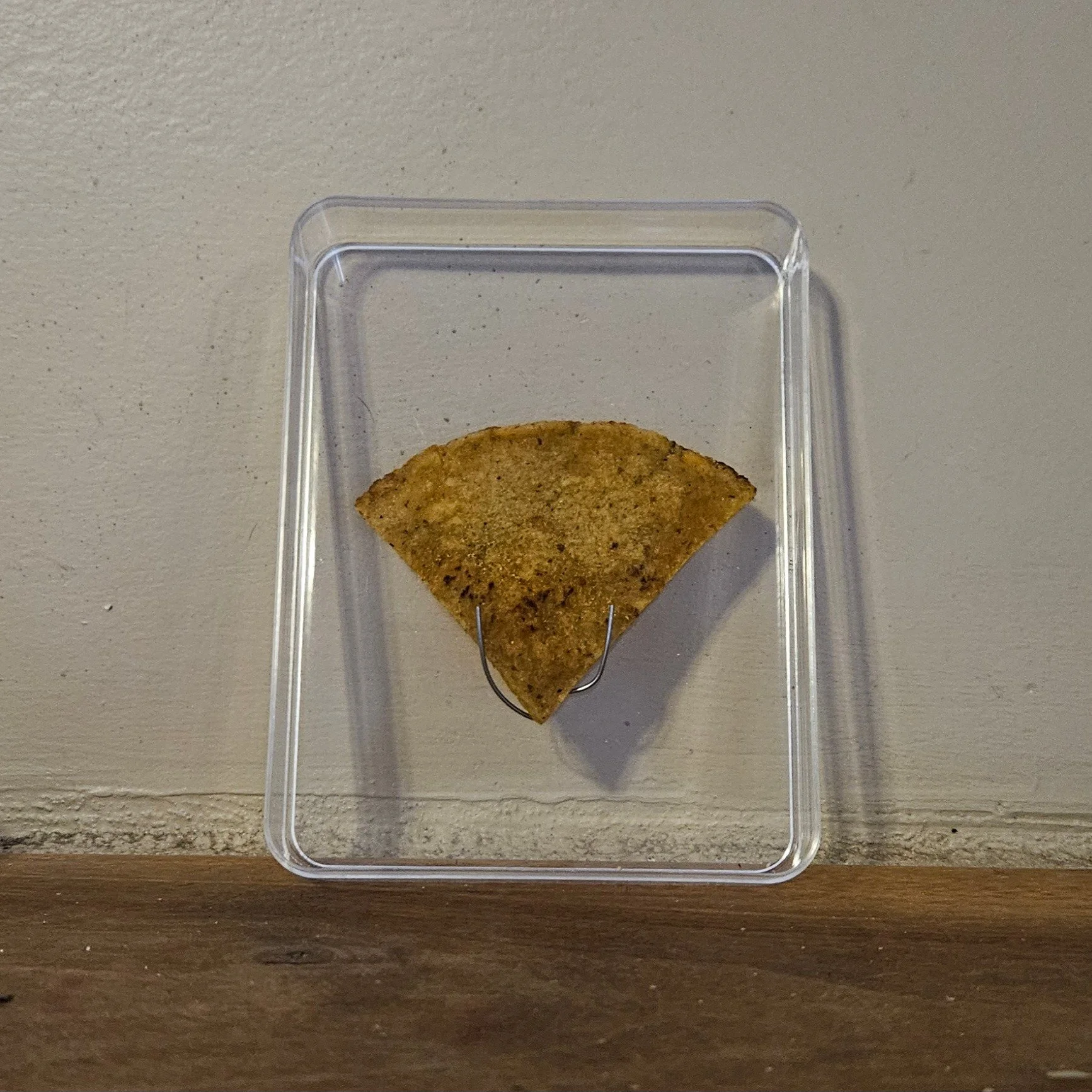
On Display: A single DIY Dorito.
Following advice from our mentor high school science teacher, we set out to create a program where the kids had more agency in what they want to learn, more hands-on learning, a clear sight of the end goal, and a trophy to take home. What we didn’t expect was how well this silly idea fit into the seasonal limitations of a school garden. Corn, potatoes, and to an extent, hot peppers can be in late spring, and harvested in the fall with very little summertime oversight. Garlic and cabbage can follow an opposite schedule. Much of the processing work happens indoors in the classroom. Many ingredients can be made following a weekly schedule. Cheese made early in the fall is ready to eat by November. A Dorito garden is an absurd idea, but maybe science teachers, garden club leaders and STEM teachers will find this an appropriate way to get the most out of their school gardens.